
Drugs Index

N-bome is a research chemical that changes the senses and alters thoughts. Often sold as LSD, but is much stronger (potent).
Please refer to Research chemicals section for more information.
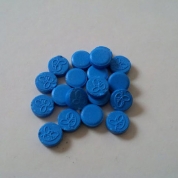
2C-B is a psychedelic drug that changes the way the brain sees things and alters thoughts. The 2C family also includes: 2C-I, 2C-D, 2C-E
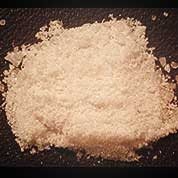
These are a group of chemicals that share a common root structure (5-methoxytryptamine) and have many similarities in effects. There are many other variants of the 5-MeO type and new ones may yet be discovered, but most of them are extremely rare and it is difficult to say how frequently they may be encountered by ordinary consumers. The ones listed here are the most common, but they too are still relatively rare.
NOTE- a number of other substances (e.g. AMT, DMT) share letters with some in the 5-MeO group. Whilst there may be some similarities, they are different chemicals that will act very differently and should not be mistaken for one another.
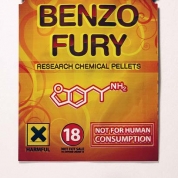
Benzo Fury is a man-made (synthetic) drug that is similar to amphetamine, in that it is thought to act as a stimulant by speeding up the body’s reactions and functions in many different ways. However, as Benzo fury is a fairly new research chemical, very little research has been done on how it works and its effects.
Please refer to our research chemicals page for more information.
The effects of this drug is from personal experiences only.

Alcohol (chemical name ethanol) is usually found as a beverage and is a colourless liquid in its pure form.
It acts by slowing down the body’s reactions in many different ways.
There are three main forms of alcoholic drink, divided by strength:
- Beers - up to 7-8% ABV (alcohol by volume)
- Wines - up to 20% ABV
- Spirits - up to 40% ABV (in the UK)
ABV: Alcohol by volume (abbreviated as ABV, abv, or alc/vol) is a standard measure of how much alcohol (ethanol) is contained in an alcoholic beverage drink.
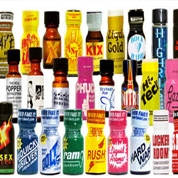
Amyl nitrite or ‘poppers’ are a liquid chemical that act by allowing more blood into the heart – giving the user a ‘rush’.

Alprazolam (often seen as under the trade name Xanax) is a sedative drug prescribed for the treatment of anxiety/stress/depression, panic attacks, and sleep disorders.
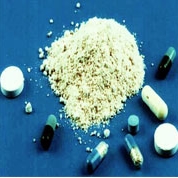
Amphetamines are a type of stimulant that help users stay awake, alert and focused.
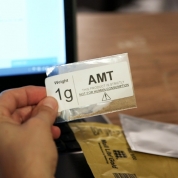
AMT (Alpha-methyltryptamine) is a stimulant of the tryptamine type. It was originally investigated for its anti-depressant properties, but the effects proved disappointing and it was soon abandoned. Some people take it for its stimulating effects.

Benzodiazepines are a group of man-made (synthetic) chemicals that slow down the body’s reactions. They are mostly prescription drugs, but also found on the black market.
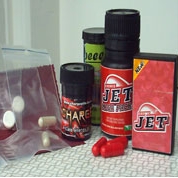
BZP is a piperazine stimulant that acts similarly to ecstasy. Part of the 'party pills' market that emerged in Europe around 2006, it is taken on its own or commonly in combination with TFMPP, another piperazine-type drug.

Cannabis is a natural drug (compared to a man-made synthetic one) that comes from varieties of Cannabis Sativa, which is the same plant that hemp comes from. This plant grows in various parts of the world (including the UK) and can reach up to 15 feet in height. Cannabis is slightly different from other drugs, in that it doesn’t clearly fall into the simple drug categories such as: stimulant (speeds up body’s reactions), depressant (slows own body’s reactions) or hallucinogen (distorts senses). However, it probably falls more into the hallucinogen category rather than the others but, depending on the type, it can have effects that fall into the other categories.
It is a drug that has been used for centuries either for fun, in religious/spiritual ceremonies or as medicine.
It comes in three main forms:
- Hash (cannabis resin)
- Marijuana (herbal cannabis)
- Cannabis oil
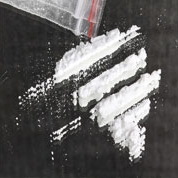
Cocaine is a drug that increases the body’s functions and reactions (stimulant). It comes from the coca plant, grown mainly in South America, and goes through a range of chemical reactions to produce cocaine.
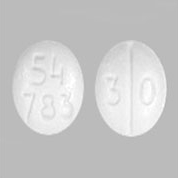
Codeine is an opiate, closely related to morphine, and comes from the opium poppy, but possesses around one fifth of the strength of morphine. It is still a very effective analgesic (pain killer). Most mild pain killers contain small quantities of codeine, e.g. co-codamol. However, the formulations are too weak to be used in the treatment of dependence, and because they contain other drugs such as paracetamol and aspirin, it may be harmful, if taken in sufficient quantity, to feel the opiate effect of codeine.

Crack cocaine use became popular in the 1970s. Crack cocaine is another form of cocaine that is considered ‘more addictive’ as its pleasurable effects are greater than cocaine. It also differs in terms of the way it’s taken (route of administration) and time it takes to act on body (onset of effects).
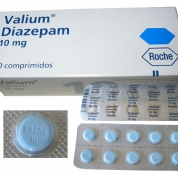
Diazepam (or Valium) is a popular benzodiazepine drug used mainly in the treatment of insomnia, anxiety, panic attacks, and sometimes for alcohol and opiate withdrawal.
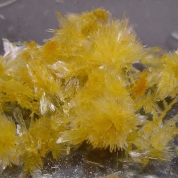
Dimethyltryptamine is a powerful psychoactive chemical in the tryptamine group. It produces strong psychedelic effects (e.g. visual hallucinations). A form of it extracted from certain plants has been used for centuries in traditional South American shamanistic rituals. (Ayahuasca,Yage,etc.) Very short duration of action, up to 5 minutes.
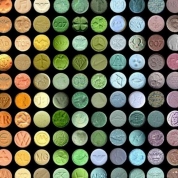
Ecstasy is the popular name for MDMA but informally ecstasy usually refers to the pill form and MDMA, usually a higher strength, refers to powder form. Ecstasy speeds up the body’s reactions and functions in many different ways.
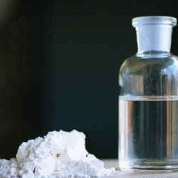
GHB is a depressant substance; it slows down the body’s reactions and functions in many different ways.

Heroin is the popular name for diamorphine. It acts as a depressant, so it slows down functions and reactions in the body and is also a strong pain killer (analgesic). Discovered in 1874, it comes from the opium poppy.
Heroin can be a highly addictive drug, producing tolerance to its effects and deep physical dependence—without it the user becomes ill and unable to function normally. It should also be noted that the drug has especially effect at reducing psychological and emotional pain, and most addicts can be accurately described as people self-medicating against traumatic memories and intolerable feelings. The time taken to become addicted varies with the individual and context, as does the severity of withdrawal symptoms. Overdose can be fatal, of course, and most overdoses are due to profound depression of the respiratory system. After many years of abundant supply at user-end purity, in the UK heroin quality now varies significantly.
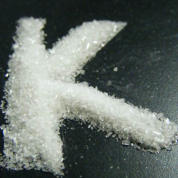
Ketamine is a strong numbing drug (anaesthetic) with unusual effects on the body. It speeds up rather than slows down breathing. It was originally only used by local and farming vets as an anaesthetic for animals, including horses. Nowadays, it is used mainly as a recreational drug, but still also by farming vets.

The khat plant contains stimulant drugs (active ingredients are ‘cathinone’-type chemicals), which act in a similar to amphetamine. It is grown mainly in Northeastern Africa, e.g. Yemen.

These are chemicals that are used in scientific research but also have desirable effects. Usually sold online. Many new drugs are produced each week (280 in Europe last year - EMCDDA, 2013), but very little information on their effects is available.
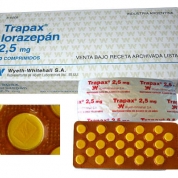
Lorazepam is a medicine used in the treatment of anxiety, epilepsy and convulsions (fits) as well as for sedation and as a premedication for people about to undergo minor surgical operations.
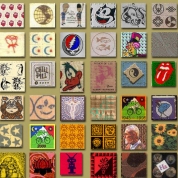
LSD is a powerful hallucinogenic drug, changing the way brain sees things.
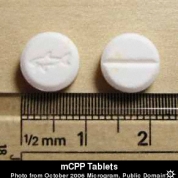
mCPP is a recreational drug that has effects similar to MDMA (Ecstasy). It is also often found in Ecstasy pills.
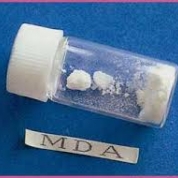
MDA is a man-made (synthetic) recreational drug noted for its stimulant and psychedelic properties that has been used since the 1960s as a clubbing and sex-enhancing substance, with some similarities to LSD and MDMA (ecstasy).
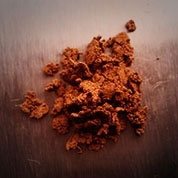
This is a relatively new synthetic (man-made) drug. It is said to have similar effects to MDMA (ecstasy) but there is very little information on dose and adverse effects available. It was produced in the 1990s with the aim of creating a drug that was less toxic than other types in the same group (e.g. MDMA) to be used as an anti-depressant or appetite suppressant.
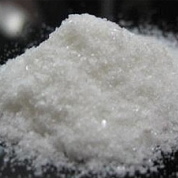
Mephedrone is a stimulant, speeding up reactions and functions in the body in many different ways. It was actually first made in 1929, but was not well-known until it was re-discovered in 2003.
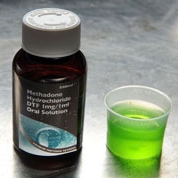
Methadone is a man-made (synthetic) form of heroin. It is a strong painkiller often used in the treatment of heroin addiction.
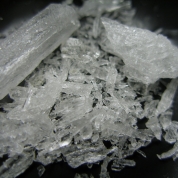
Methamphetamine is powerful stimulant drug, related to amphetamine, i.e. it speeds up the body’s reactions and functions.
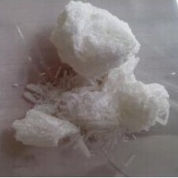
MXE is a man-made ‘designer drug’ known to have similarities in both chemistry and effect to ketamine.
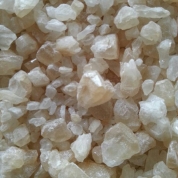
Methylone is a drug that speeds the body’s responses (stimulant) and makes people feel closer to others (entactogen). It is similar to the effects of MDMA (Ecstasy). It became a controlled drug along with mephedrone in 2010.
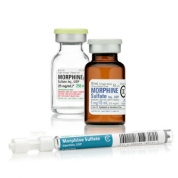
Morphine is an opiate that comes from the opium poppy, and is in fact the 'daddy' of the family of substances that come from this plant (others include codeine, papaverine, thebaine etc.)

Magic mushrooms is the popular term for mushrooms or toadstools that contain active drugs. There are several different species of mushrooms, the ones that people use for their positive effects are the hallucinogenic types contain psilocybin. These change the body’s functions and reaction and the way the brain sees things.
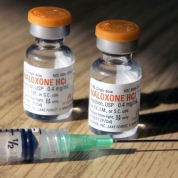
Naloxone is a drug that reverses the effects of opioids among dependent individuals.
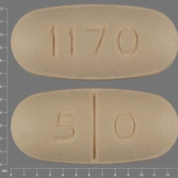
Naltrexone reverses the effects of opioids and is used as a relapse prevention tool. It is not a maintenance treatment and should not be mistaken for one.

Nitrous oxide (or nitrogen oxide), N₂0, is a colourless and almost odourless gas that is used as an anaesthetic in dentistry, and recreationally for the stimulation and light-headedness it produces.
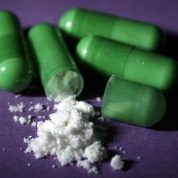
‘NRG’ is a term used to describe a number of substances (the most common being NRG-1 and NRG-3) which are mostly derivatives of naphyrone (or naphthylpyrovalerone), a man-made ‘designer drug’ with stimulant properties. However, it is important to note that many drugs sold as ‘NRG’ have been found to contain a wide range of chemicals and may have no relation to naphyrone at all.
Any information on effects are anecdotal.
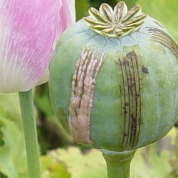
Opium is the sticky gum that oozes from the capsule of the opium poppy, from which heroin and other opiates are made from. The most powerful active ingredient in opium is morphine, which is a depressant, i.e. it slows down the body’s reactions and functions in many different ways. Opium is not as strong as morphine or heroin.
It has been used as medicine for over 3,000 years and still the main source of pain killing drugs today.
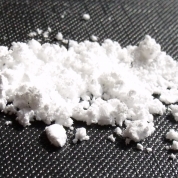
Phenazepam is a benzodiazepine drug but was marketed for a long time as a legal high due to its uncontrolled status in most countries. It was developed in 1974 in Russia to treat neurological disorders such as epilepsy and insomnia. However, it is now predominantly used recreationally. It is around 20 times stronger than valium.
Please refer to ‘benzodiazepines’ section for more information on the more traditional, prescribed benzodiazepines.
After much deliberation, Phenazepam was officially controlled in June 2012 as a class C drug.

Piperazines are a group of chemicals that include BZP, TFMPP and mCPP. These were part of the popular 'party pills' market that emerged around 2006.
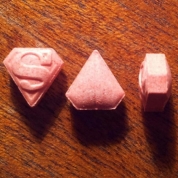
PMA/PMMA looks like, and is sold as ecstasy, but is more toxic, and in some cases fatal.
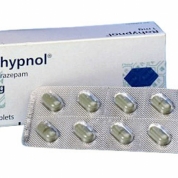
Rohypnol is the common and brand name for Flunitrazepam, a benzodiazepine sometimes used in the treatment of sleep disorders.

Salvia is a naturally found drug from the Salvia plant (Salvia divinorum) that changes the body’s functions and reaction and the way the brain sees things (hallucinogenic).

Solvents are gases, glues or aerosols that are inhaled. They vary from normal household products to petrol and laughing gas. They slow down the body’s responses (depressant).

Steroids are a group of drugs similar to the male hormone, testosterone. It is usually associated with people who are interested in body building.
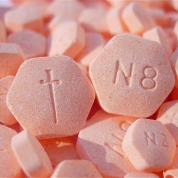
Subutex is the trade name for Buprenorphine, which is a man-made (synthetic) drug licensed for the treatment of opioid (heroin, morphine) addiction.
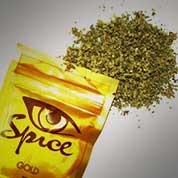
These are man-made (synthetic) chemicals that aim to copy the effects of the main active ingredient of cannabis, THC. These chemicals are usually sprayed on to plant material or natural herbs (which do not normally contain any tobacco or cannabis).
Some of these substances are now controlled under the Misuse of Drugs Act, but most are still not covered by this legislation. Ones that are not controlled are subject to the Medicines Act, so labels will often say ‘not for human consumption’.
See ‘Research Chemicals’ section for more details.
Sometimes the effects are stronger than typical cannabis. Also, as these are new chemicals, there may some compounds where no information of its effects, including adverse effects, exists. The detectability of the compounds in standard drug tests is a subject of conjecture. New tests are being developed that will detect most synthetic cannabinoids.
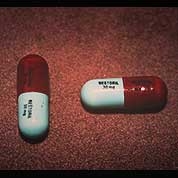
Temazepam is a popular benzodiazepine drug used mainly in the short-term treatment of sleeping disorders.
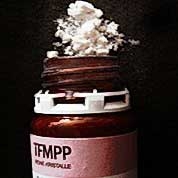
TFMPP is a man-made (synthetic) drug that is often taken with BZP. Together these drugs produce similar effects to MDMA.

Tobacco is the ingredient that is present in a number of different products including smoking cigarettes, cigars and pipes, hookah/shisha pipes etc. The most common being the smoking cigarette. This is also the most addictive way to ingest tobacco.
The sought-after effects of tobacco are produced by nicotine, but the production of cigarettes (particularly hand rolled ones) means that other potentially toxic chemicals are also present.
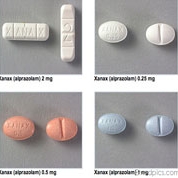
Xanax (a trade name for the drug Alprazolam) is a sedative drug prescribed for the treatment of anxiety/stress/depression, panic attacks, and sleep disorders.
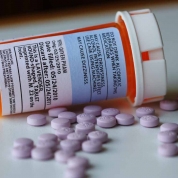
The ‘Z-drugs’ are a group of non-benzodiazepine drugs with effects similar to benzodiazepines which were designed to be used in the treatment of insomnia.